
Physiotherapy Brisbane — Holland Park West
If you're anything like me, you've probably wondered:
"How do I know if this is actually going to work?"
Physio. Chiropractic. Osteopathy. Podiatry. Massage. Acupuncture. Dry needling. Cortisone injections. Steroid injections. Anti-inflammatories. Pain medication. Orthotics. Rest. Ice. Heat. Stretching. Strengthening. Pilates. Hydrotherapy. X-rays. MRIs. Specialist consultations. YouTube videos. Online programs. Facebook groups. Well-meaning friends who swear their chiropractor fixed the same thing. A specialist who mentioned surgery. Another physio who said to come back three times a week.
You’ve probably tried a few of those already.
And now you’re starting to ask “Is this just what getting old feels like?”
By now you’re probably just tired and looking for someone who can make sense of it all, who knows the right questions to ask, and who can tell you what to do to get it sorted.
This is where we start.
Nobody can pinpoint it. It just happens. Somewhere between childhood and adulthood, between school and responsibility, between the first time someone told you to stop asking so many questions, the curiosity quietly disappeared.
I noticed it in myself a few years ago. Not dramatically. Just a vague sense that I’d stopped wondering and started assuming. So I made a decision to bring it back. To ask why about everything. Incessantly. Annoyingly, if necessary.
It changed everything about how I see the body.
Toyota built one of the most reliable manufacturing systems in the world around a deceptively simple principle: ask why five times and you’ll find the real cause of almost any problem. Not the symptom. Not the obvious answer. The actual driver underneath it all.
Not which exercise. Not which muscle. Why.
Why is this happening?
Why hasn’t the pain gone away?
Why does it hurt when I poke there?
Why doesn’t anything seem to fix it?
Because here’s the thing about chronic pain that nobody tells you… Most people can’t pinpoint when their lives started to change either. There was no single moment. Just a gradual narrowing. Walks getting shorter. Trips getting planned around it. Things quietly dropped from the list.
You might not even remember the last time you got up off the floor.
That’s a body that has lost its way.
And we’re here to get you back on track.
Everything we do is built around three things.
Before we can treat anything, we have to define the problem. Using our whiteboard process, we map out what’s happening in your body, why it’s adapted the way it has, and what’s actually been driving your pain. Most people leave this part of the session understanding their pain better than they have in years.
We work to reverse the compensations and movement patterns that have built up over time. Through hands-on treatment and deliberate practice, we reintroduce what the body has lost — not with a long list of exercises, but two or three key movements chosen specifically for you.
We go where your journey taks you, not arbitratry clinical goals like a certain number of calf raises. It’s your Definition of Success. In your words. We just show you the way.
Most people come to us with a diagnosis.
They know what the scan showed, what structure is irritated or what their pain has been called.
They just need to know what to do about it.
We treat:
But one thing is consistent across this whole list.
You.
And how pain is affecting your life.
Get in touch…
Before you arrive, you’ll receive a confirmation email with our intake form.
It is worth taking your time with it. The questions mirror the way we work and help you organise your thoughts before we meet, including what the problem is, when it started, what you have tried and how it has been affecting you.
When you get here, Kat will look after you. Tea, coffee, water, and a chat while you wait, should you feel like one.
We’re in Holland Park West, south of the river, with easy access from the motorway and parking out the back.
Your story comes first. Your session starts with you talking.
We want to hear the full story: your history, what you have noticed, what you have tried and what you think might be going on.
There is nothing worse than leaving an appointment feeling like you forgot to mention something, or that the clinician never quite understood the problem. We do not rush past this part. We keep asking questions until we are confident we have the full picture.
Making sense of it. We are nosy Nellies, so bring everything — scans, imaging reports, referral letters and notes from previous treatment. It all helps.
From there, we use the whiteboard to organise the story and begin making sense of what may be happening and why.
We also carry out a physical assessment. That might sound obvious, but patients regularly tell us we are the first clinicians to properly examine the area they came in for. That still surprises us.
What comes next? By the end of the session, we want one thing:
A shared understanding of the problem and an agreed path forward.
Something decided. Not something vague to go away and think about.
Within 24 hours, you’ll receive a written summary covering what we discussed, what we think is happening, why it may have developed and what we plan to do next.
Your exercises will be included, each with its own video, so there is no guessing when you get home.
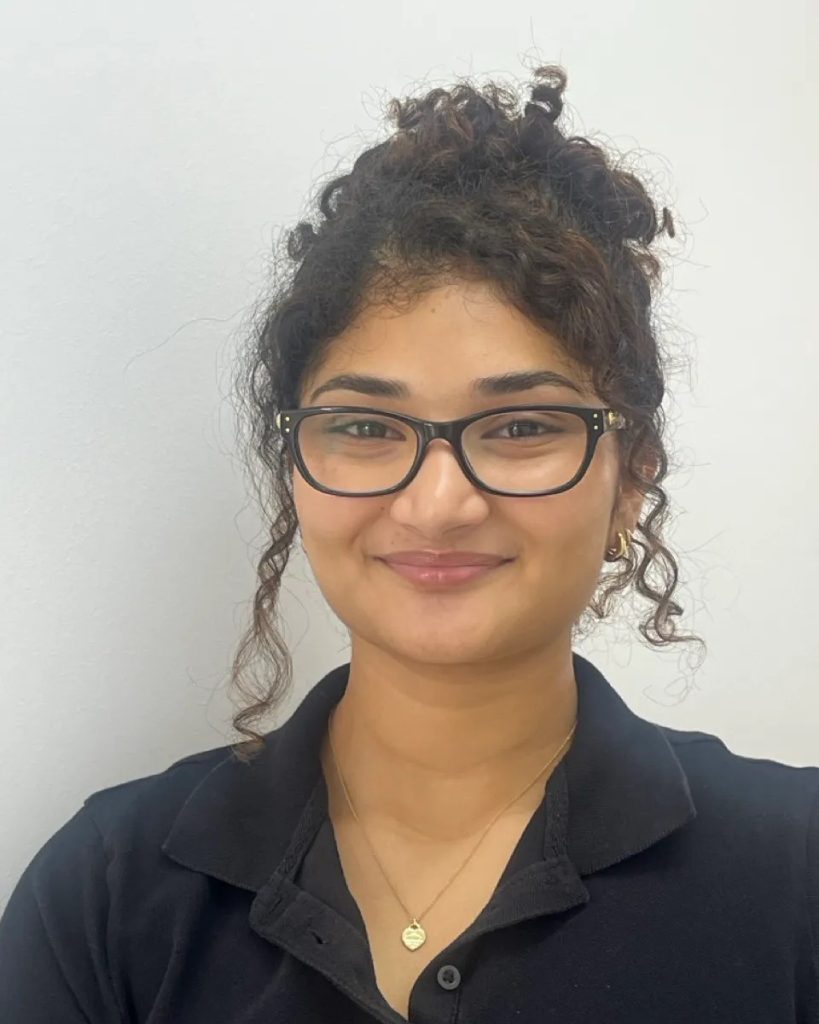
I came straight into the deep end of physiotherapy — chronic pain, complex presentations and no hiding from the difficult cases.
From the beginning, I’ve been trained to look beyond where it hurts and build a clear understanding of what may be contributing to the problem and what needs to happen next.
I’ve learned the UnPain Method from day one and work closely with Dan on the more complex cases, so there is always plenty of discussion, questioning and clinical reasoning behind the plan.
Outside the clinic, I’m usually at the gym, at the beach or in the kitchen.
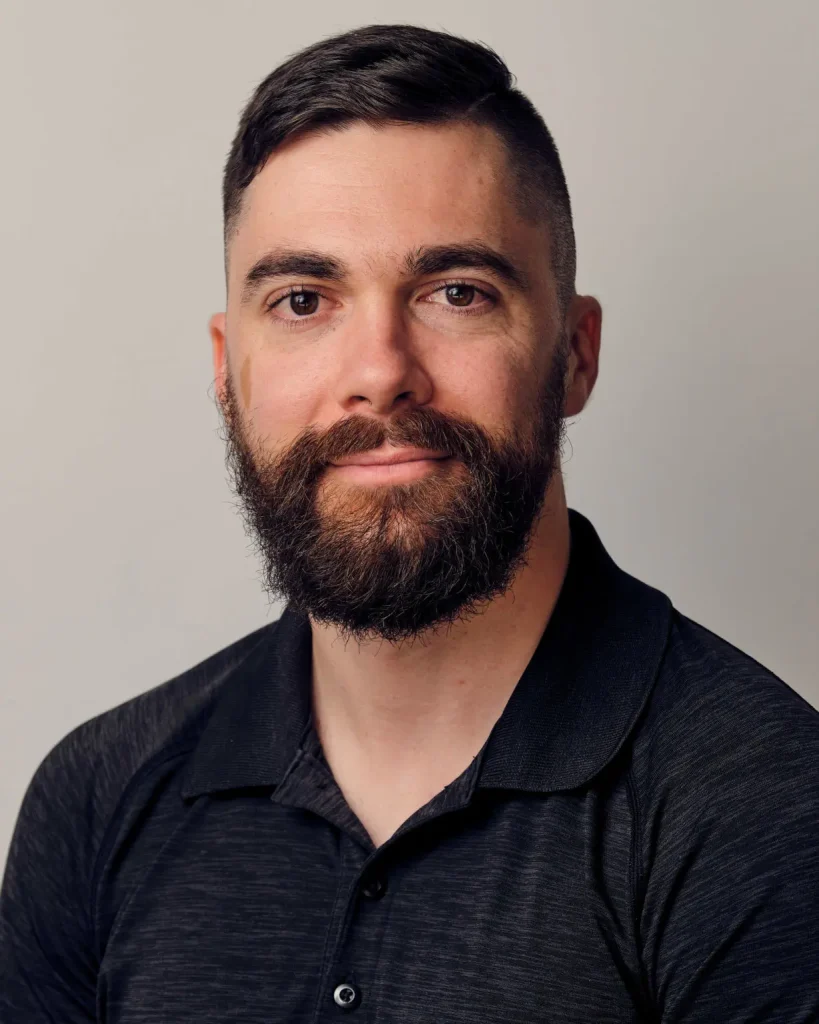
Before I became a physiotherapist, I spent ten years as a software developer. That background still shapes how I see the body: as a system of patterns, compensations and feedback loops that can be understood and changed.
I have a particular interest in chronic pain and complex problems that haven’t responded to the usual approaches.
I like to explain things, probably more than most people want me to. But I’d rather you leave understanding the problem and the plan than wondering what just happened.
Outside the clinic, I play soccer, crochet and am getting used to life as a new dad.
Book an initial assessment and we’ll work through the full story together.
It is physiotherapy — but it is not a new name for business as usual.
The UnPain Method is the clinical framework we use to understand why your pain has persisted, what may be keeping it there and what needs to change next.
The name matters less than the process. The point is to look beyond where it hurts and make sense of the whole problem.
Many treatments begin with the painful area and work outwards.
We begin with your story.
What happened? What changed? What has already been tried? What makes the problem better or worse? What else was happening when it began?
That often helps us identify connections or contributing factors that have previously been missed, not because another practitioner did anything wrong, but because they may have been asking a different question.
We expect to see a meaningful shift within the first three sessions.
That does not mean your pain has to be gone. It might mean a movement feels easier, you are less apprehensive, you can do something you could not do before, or the problem finally makes more sense.
If we are not seeing change, we do not simply keep repeating the same treatment. We step back, reassess and decide whether the plan needs to change.
As you improve, appointments are usually spaced further apart. The aim is not to keep you coming forever. It is to give you the understanding, confidence and capacity to move forward without us.
We do not bulk bill.
You may be eligible for a Medicare rebate if your GP refers you under a GP Chronic Condition Management Plan. Eligible patients can access Medicare benefits for up to five allied health services in a calendar year, shared across the allied health providers involved in their care. The current physiotherapy rebate is $63.40 per session.
Private health insurance extras may also provide a rebate, depending on your fund and level of cover. You can check directly with your insurer to confirm your benefit.
No. You can book directly without seeing your GP first.
You will only need a referral if you plan to claim through Medicare or another scheme that requires one.